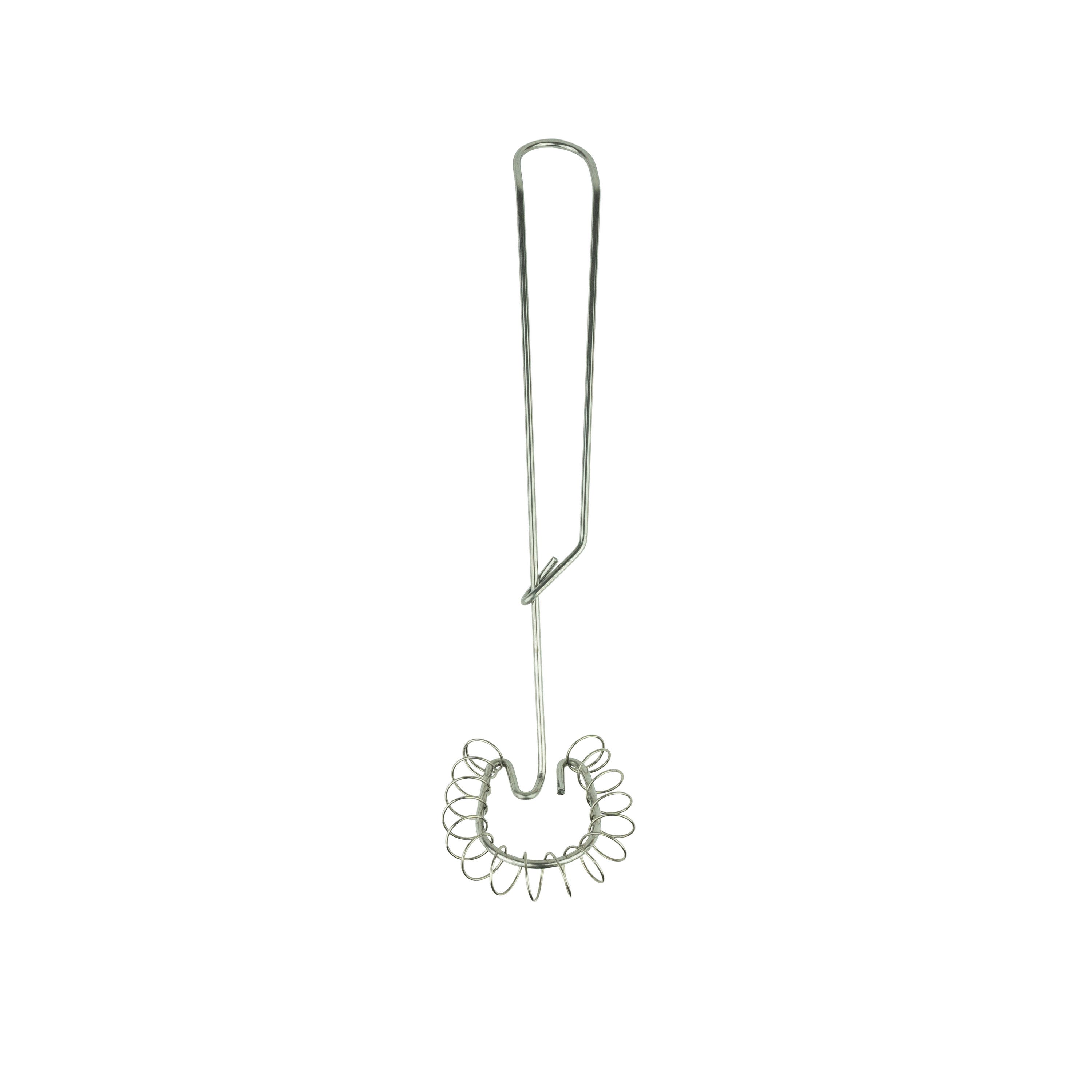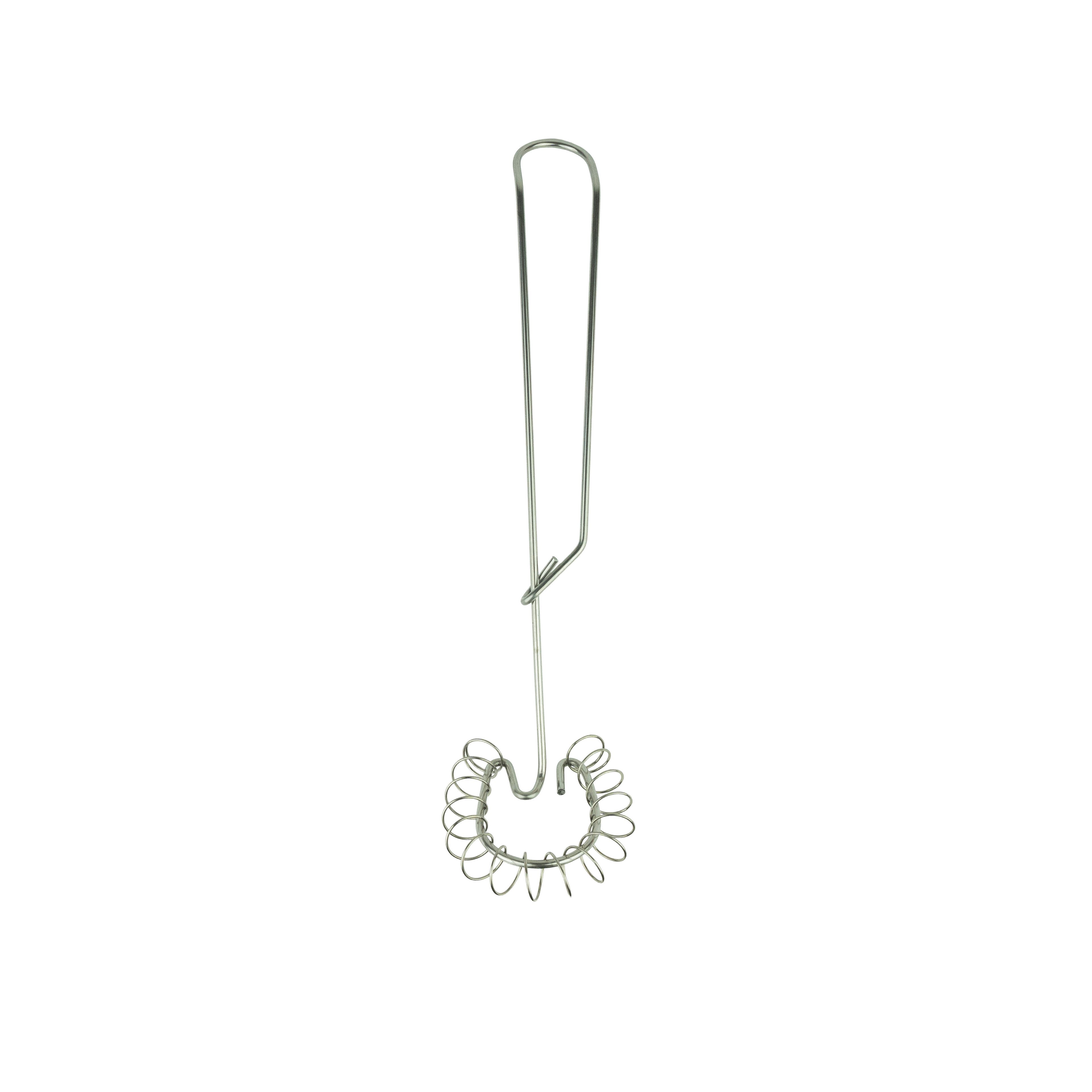


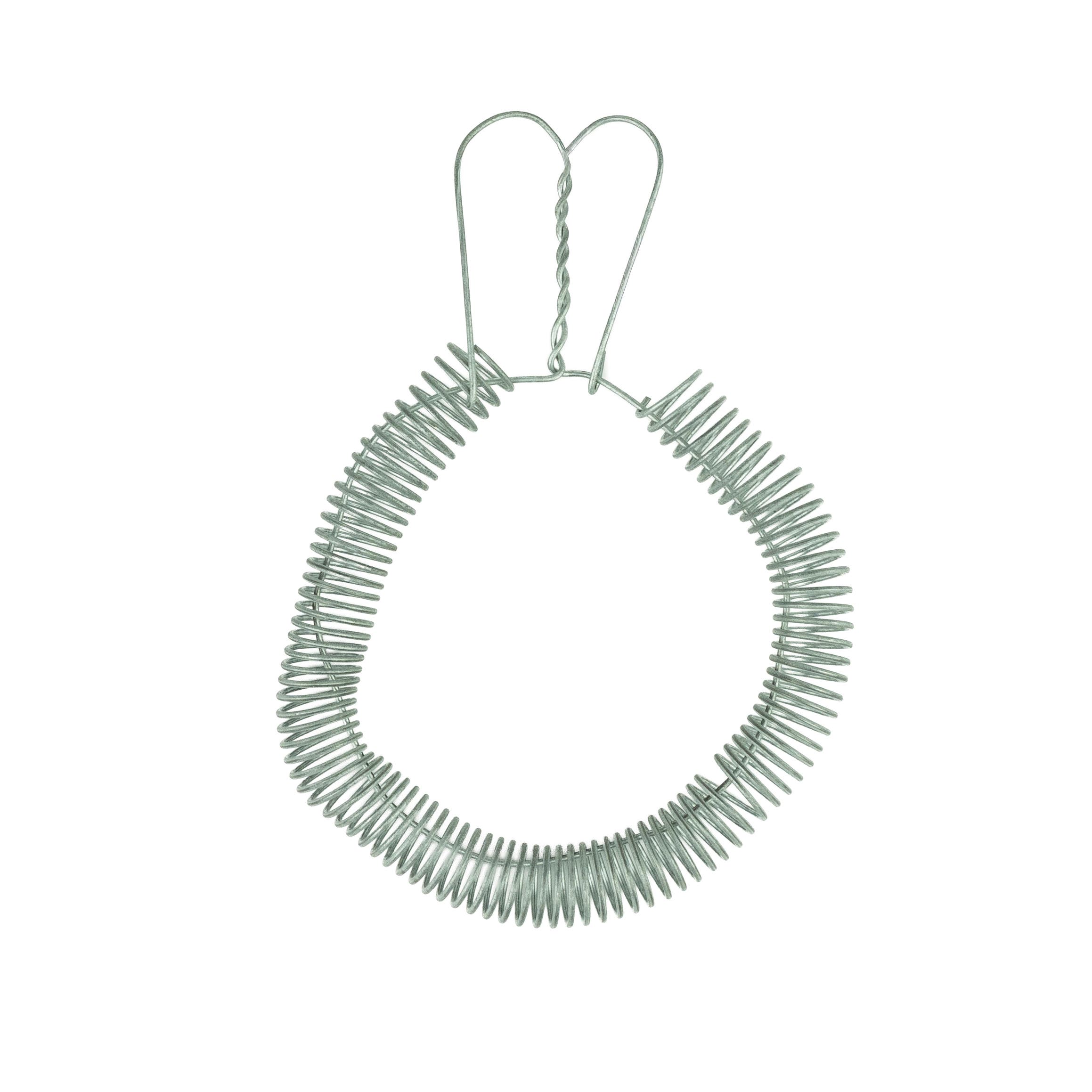
Wirework Trivet
his trivet is made of steel wire using a technique commonly known in Sweden as luffar craft, also referred to as wire craft or wirework. The trivet protects tables and countertops from heat while also carrying a long tradition of craftsmanship. Objects of this kind were part of everyday life in Sweden during the first half of the 20th century and were used both as practical household items and as decorative objects.
Luffar craft is closely associated with itinerant workers known in Sweden as luffare — people who travelled from place to place, earning a living through temporary day labour, knife and scissor sharpening, and wirework that was sold or exchanged for food and shelter along rural roads.
The trivet is made after the type of trivets that Erik “Öland” Andersson produced during his lifetime. He was born in 1906 on the island of Öland, Sweden, and took to the road at a young age after a childhood marked by poverty and hard labour. Erik mainly travelled in the areas around Tuna, Mörlunda and Fågelfors in the Småland region, often arriving by bicycle with his sharpening wheel mounted on it. Alongside sharpening work, he practised wire craft, a skill he carried with him throughout his life.
Stories about Erik “Öland” Andersson offer insight into a way of life in Sweden that largely disappeared after the national pension reform of 1957. Objects such as this trivet therefore function both as practical household items and as historical documents from an era when craftsmanship, wandering and survival went hand in hand.
- Brand:Svensk Slöjd
- Material:Steel
- Width (mm):120
- Height (mm):120
- Weight (gram):70
- Origin:Made in Sweden
- Article number:10282
- Delivery: 5-15 days
- Shipping: 199 SEK
- Right of return: 30 days open purchase