

The Dala Horse – A Symbol of Sweden and Swedish Craft Tradition
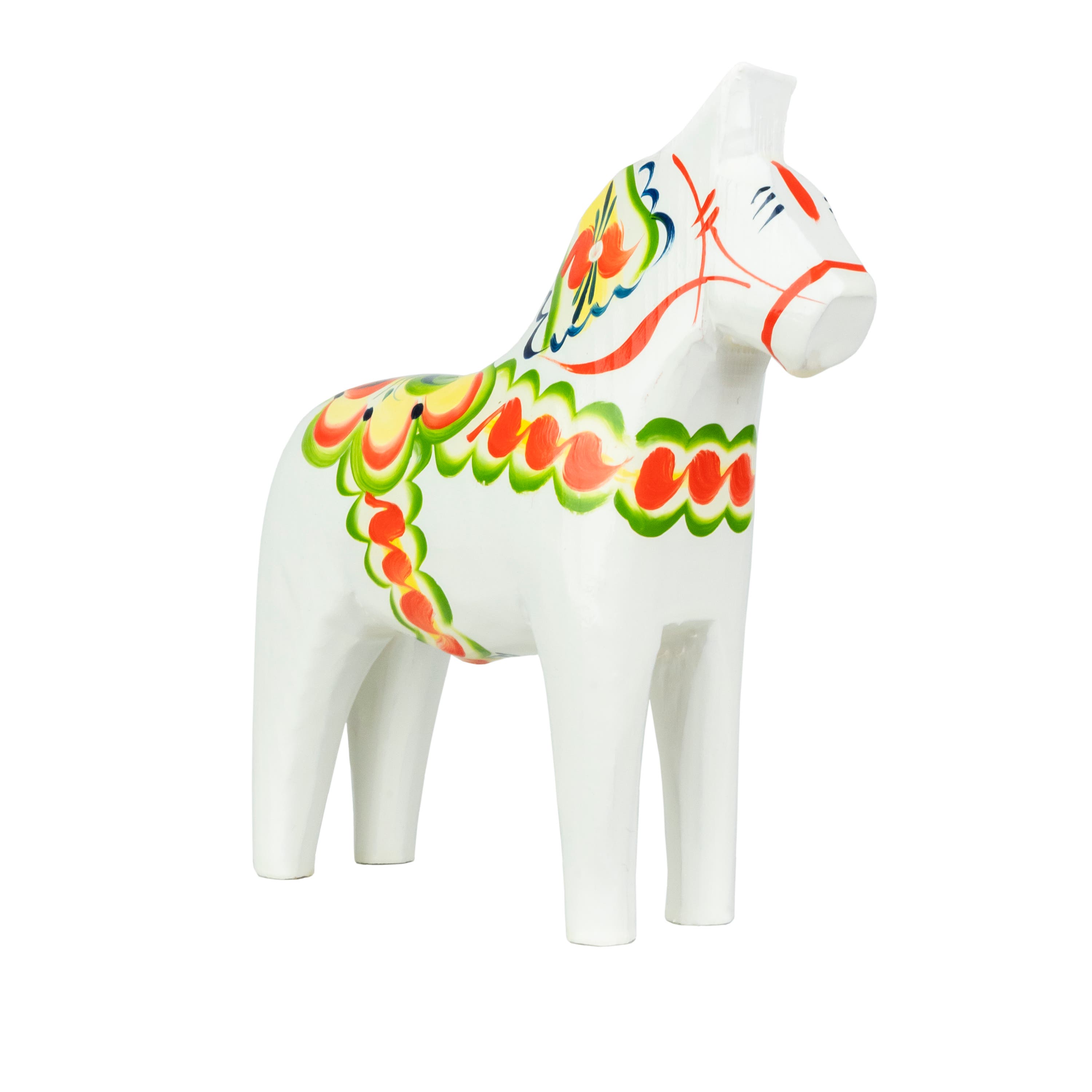
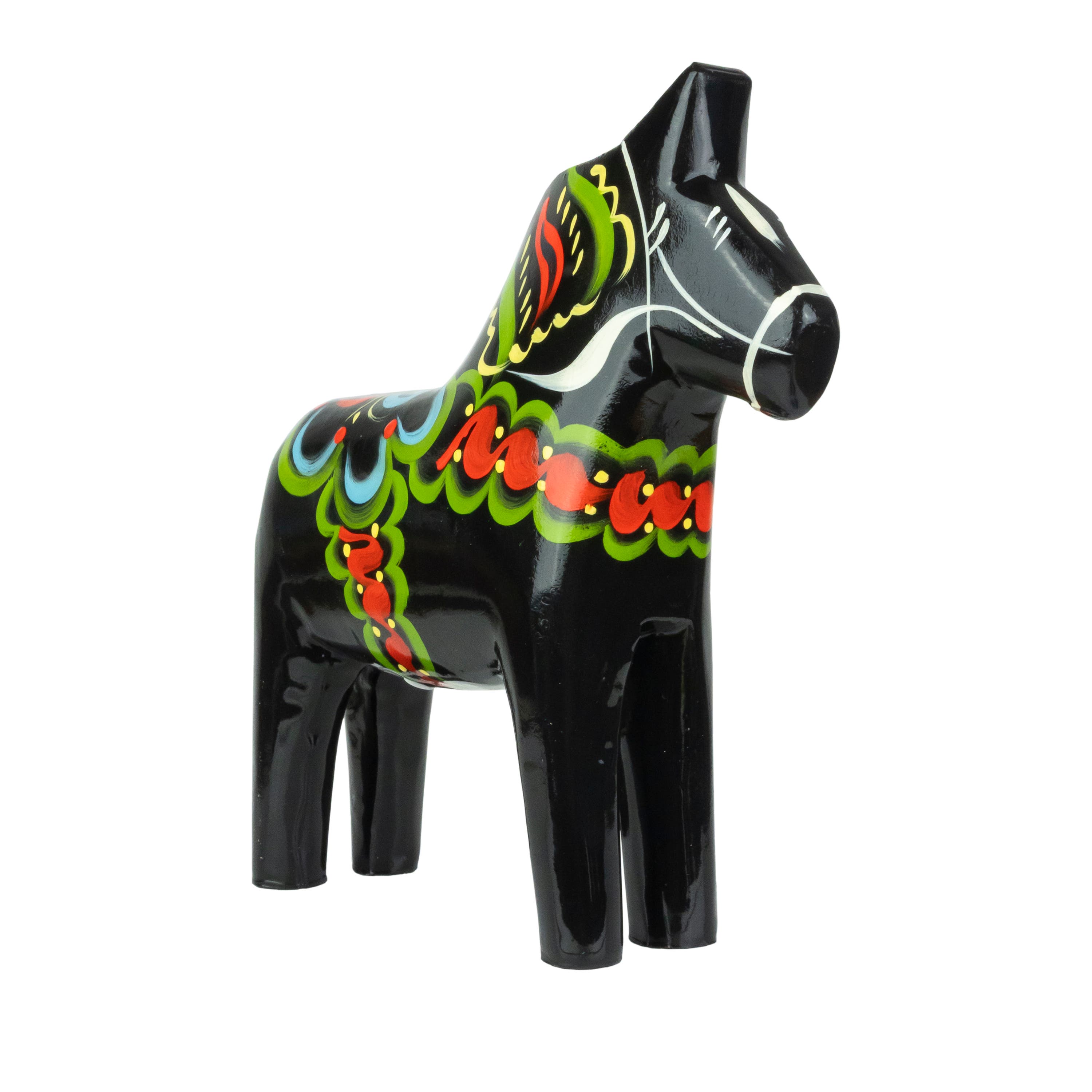
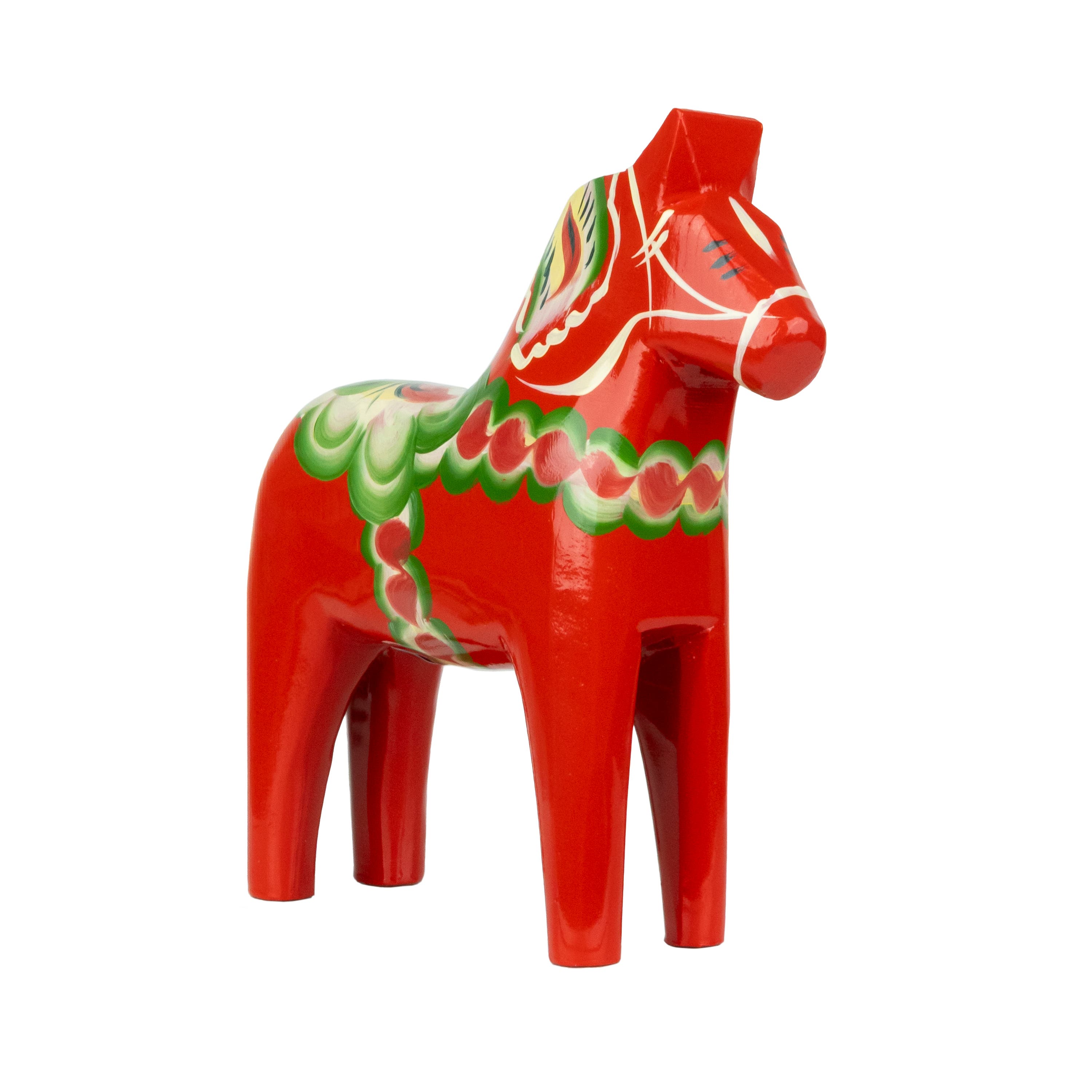
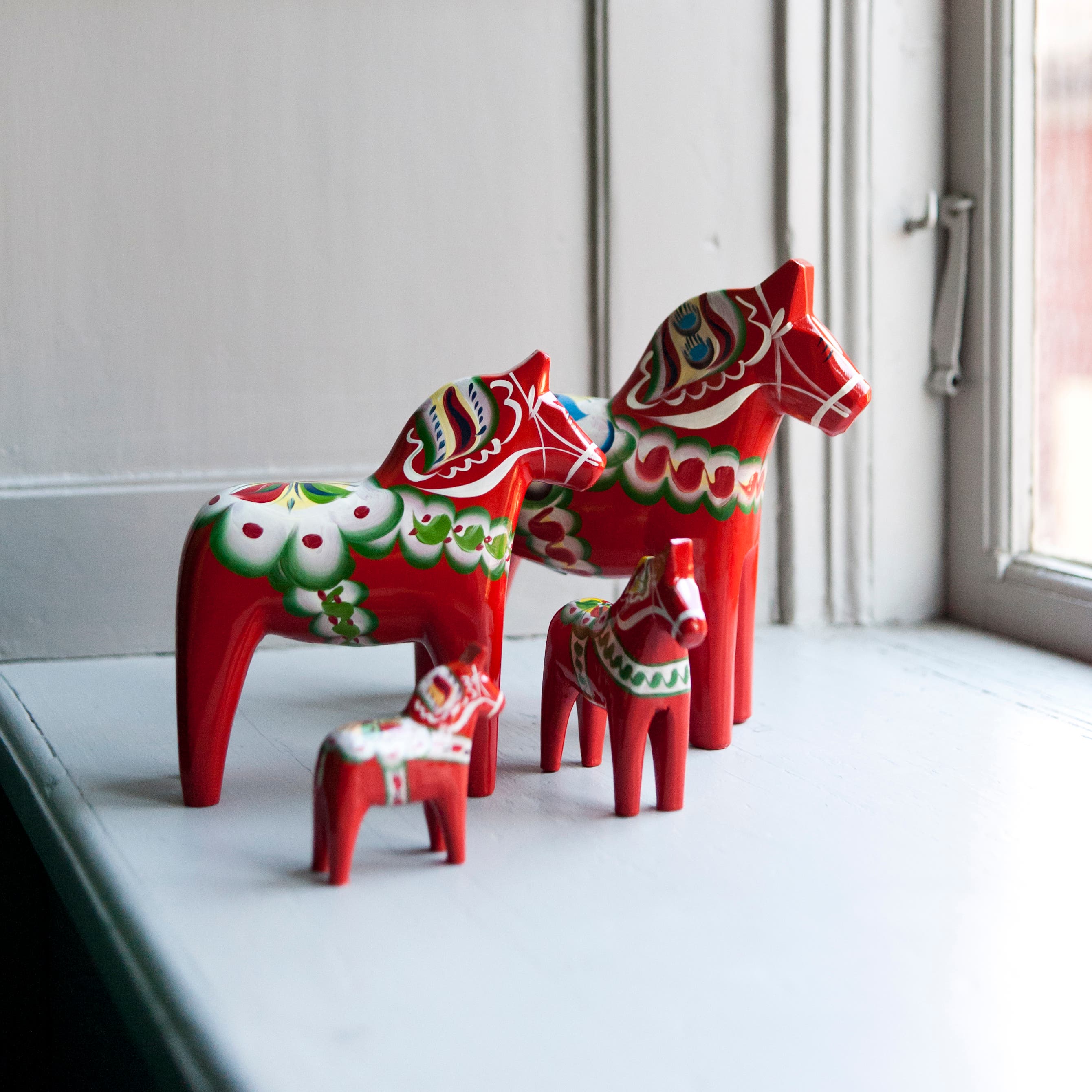
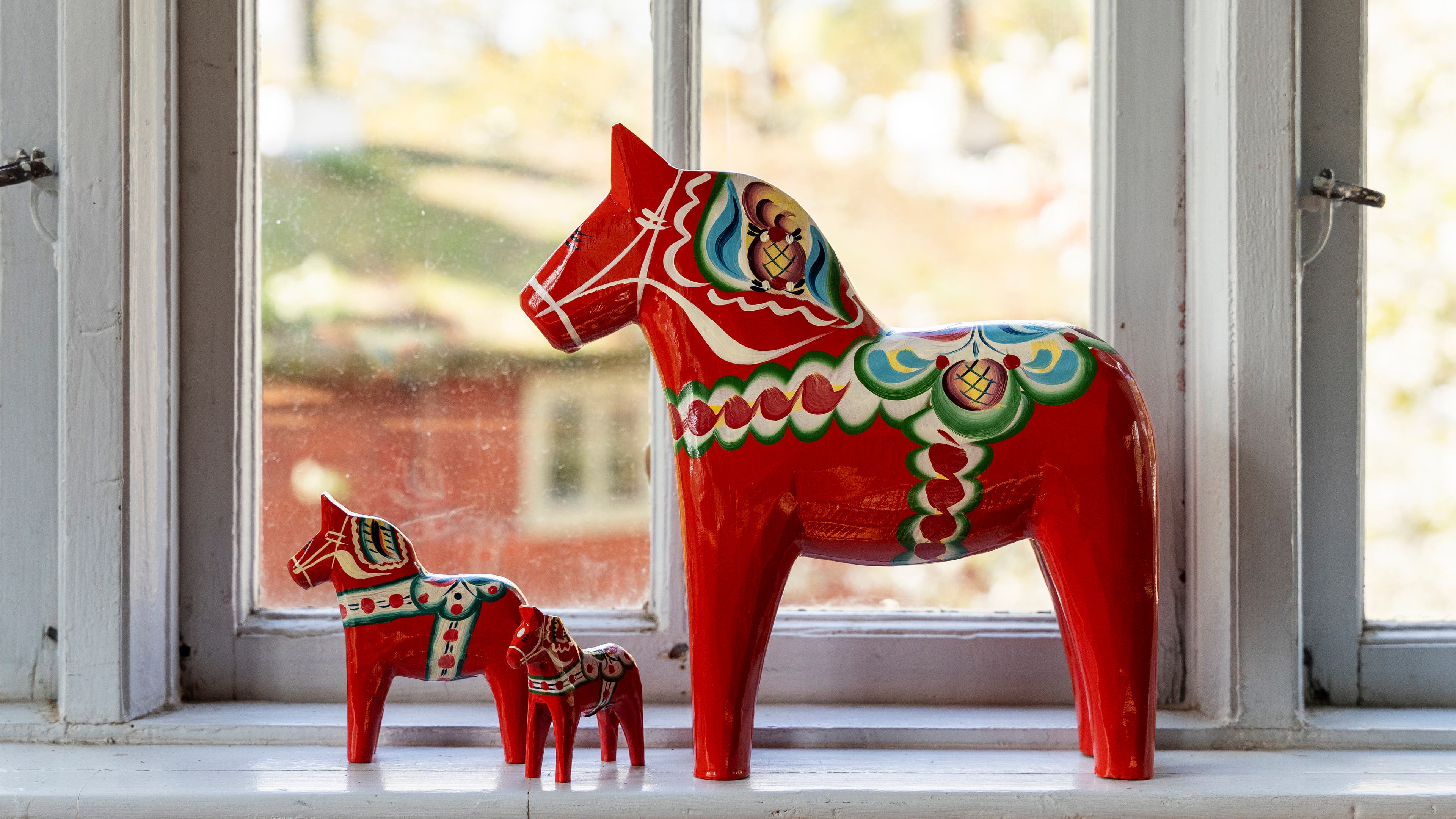
A Dala horse is a hand-carved wooden figure from the region of Dalarna in Sweden. Traditionally carved and painted by hand, it is often decorated with colourful traditional patterns. Today, the Dala horse is considered one of Sweden’s most recognizable symbols and is closely associated with Swedish craftsmanship and cultural heritage. Dala horses have been made in Dalarna for several centuries and have gradually become a well-known symbol of Sweden, both nationally and internationally.
The History of the Dala Horse
The history of the Dala horse dates back to the 18th and 19th centuries in the Swedish region of Dalarna. During long winter evenings, craftsmen and farmers would carve small horses from pieces of wood. The work was often done at the kitchen table or in the timber cabin once the day’s chores were finished.
These small horses were often made as toys for children, but also as a way to keep busy during the quieter winter months when farm work slowed down.
The horse played an important role in Swedish rural life. It was used in farming, for transportation, and in many aspects of everyday work. The small wooden figure therefore reflects something of daily life in earlier times and gradually became a natural part of the local craft tradition in Dalarna.
How is a Dala horse made?
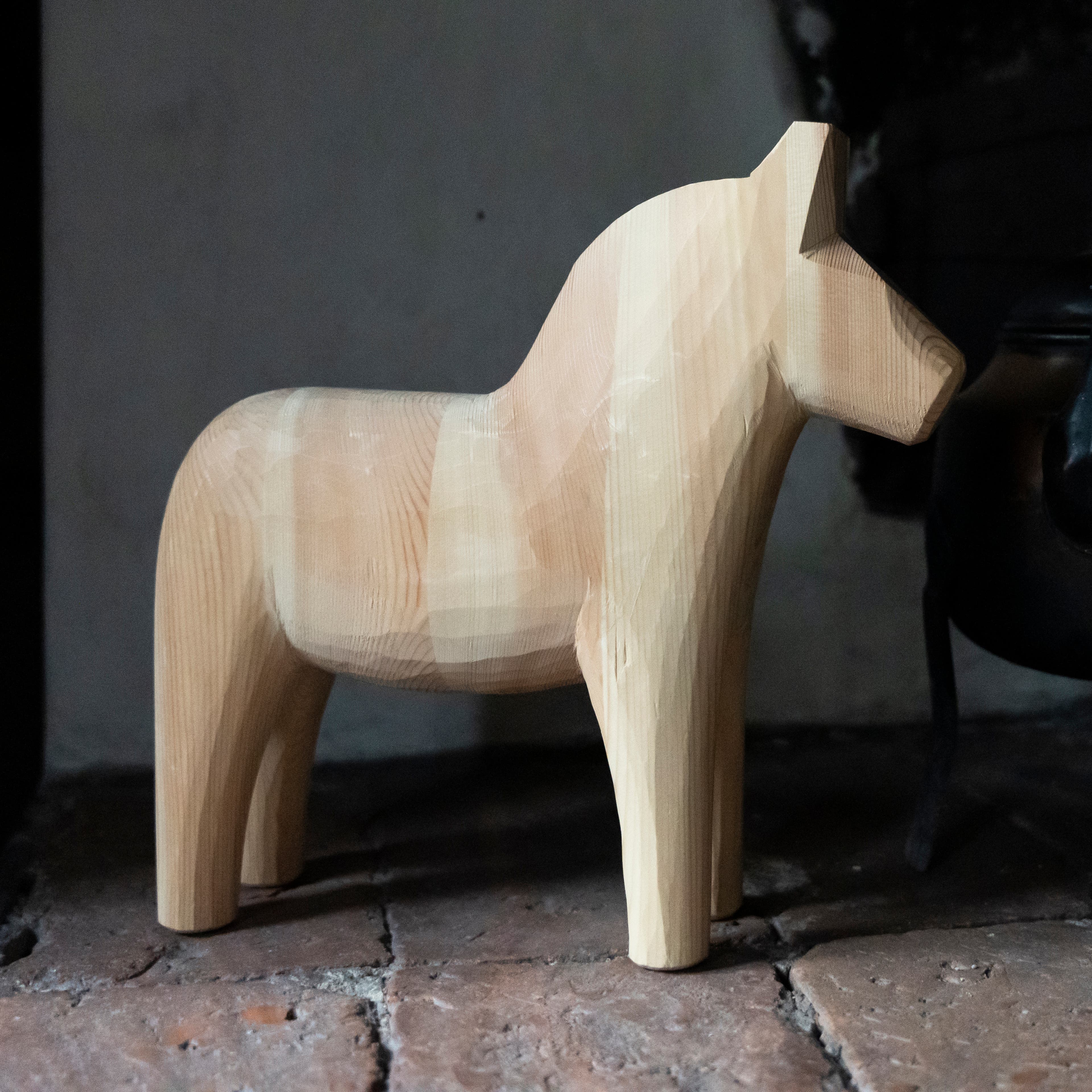
A traditional Dala horse is a handmade wooden figure produced in several steps. First, the shape of the horse is cut from a piece of wood, usually pine, and then carefully shaped by hand using a knife. The figure is then sanded before it is primed with a base coat of paint.
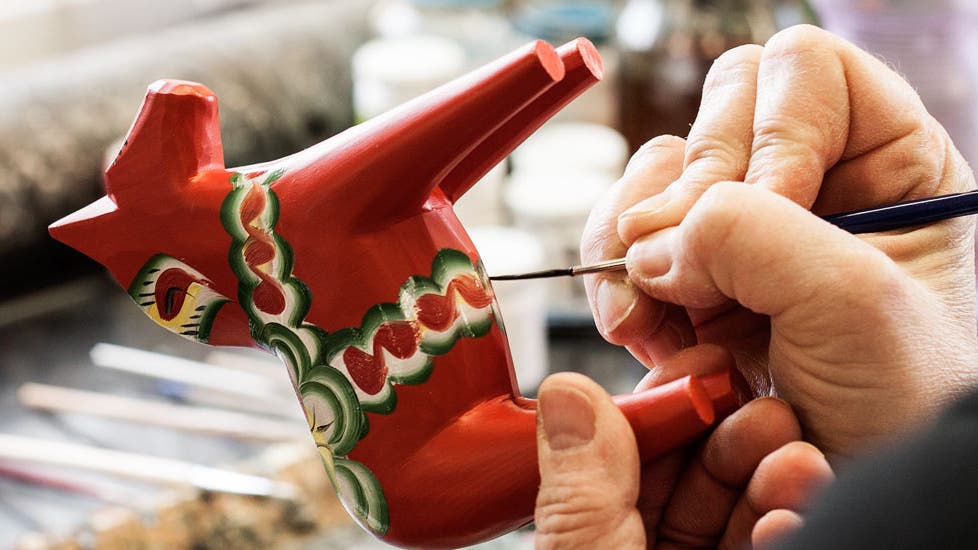
Once the paint has dried, the classic decorative pattern is painted by hand. The traditional patterns are applied with free brushstrokes, and each painter has their own way of shaping the design. As a result, no two Dala horses are exactly alike.
Today, the production of Dala horses is closely associated with the village of Nusnäs outside Mora in Dalarna, where Dala horses from Nils Olsson are still carved and painted according to traditional methods. A Dala horse from Nusnäs is often regarded as the most traditional version, and many people also see it as the authentic Dala horse.
What is a kurbits pattern?
Kurbits is a traditional decorative painting style from the Swedish region of Dalarna. The patterns often feature stylized flowers, leaves, and flowing shapes painted in bright, vibrant colours.
Kurbits painting developed during the 18th and 19th centuries and was used to decorate furniture, walls, and household objects. When Dala horses began to be painted more elaborately, kurbits patterns naturally became part of their decoration.
On a Dala horse, the decoration is painted by hand using free brushstrokes. The traditional style is often referred to as krusmålning, a decorative technique closely related to kurbits painting. The name refers to the small curling brushstrokes — the wavy shapes that flow across the horse’s body. Each painter has their own way of shaping the pattern, which means that every Dala horse has its own unique expression.
Why is the Dala horse red?
The classic Dala horse is most often red. The colour is closely connected to Falu red, the traditional pigment that has long been used to paint Swedish wooden houses and barns.
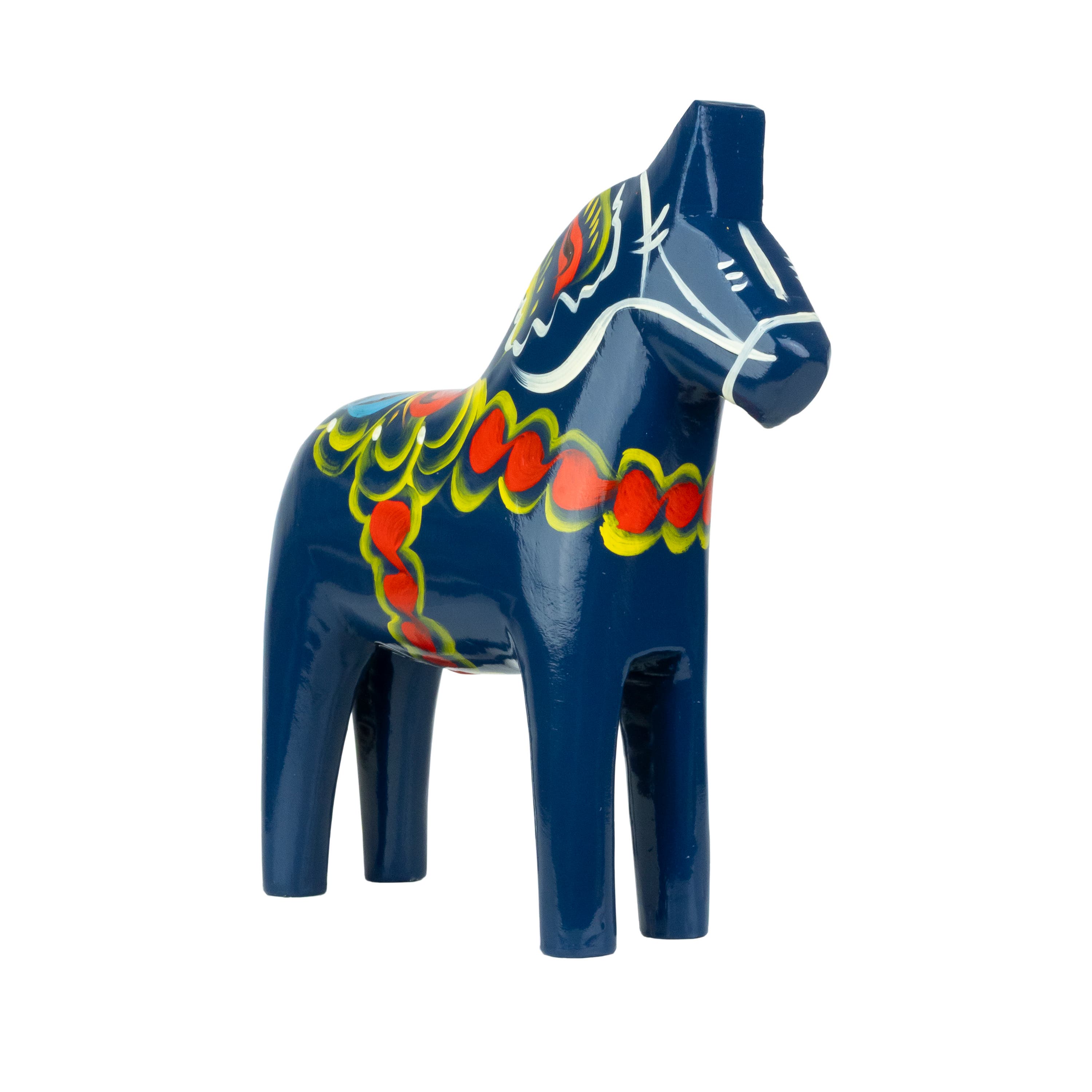
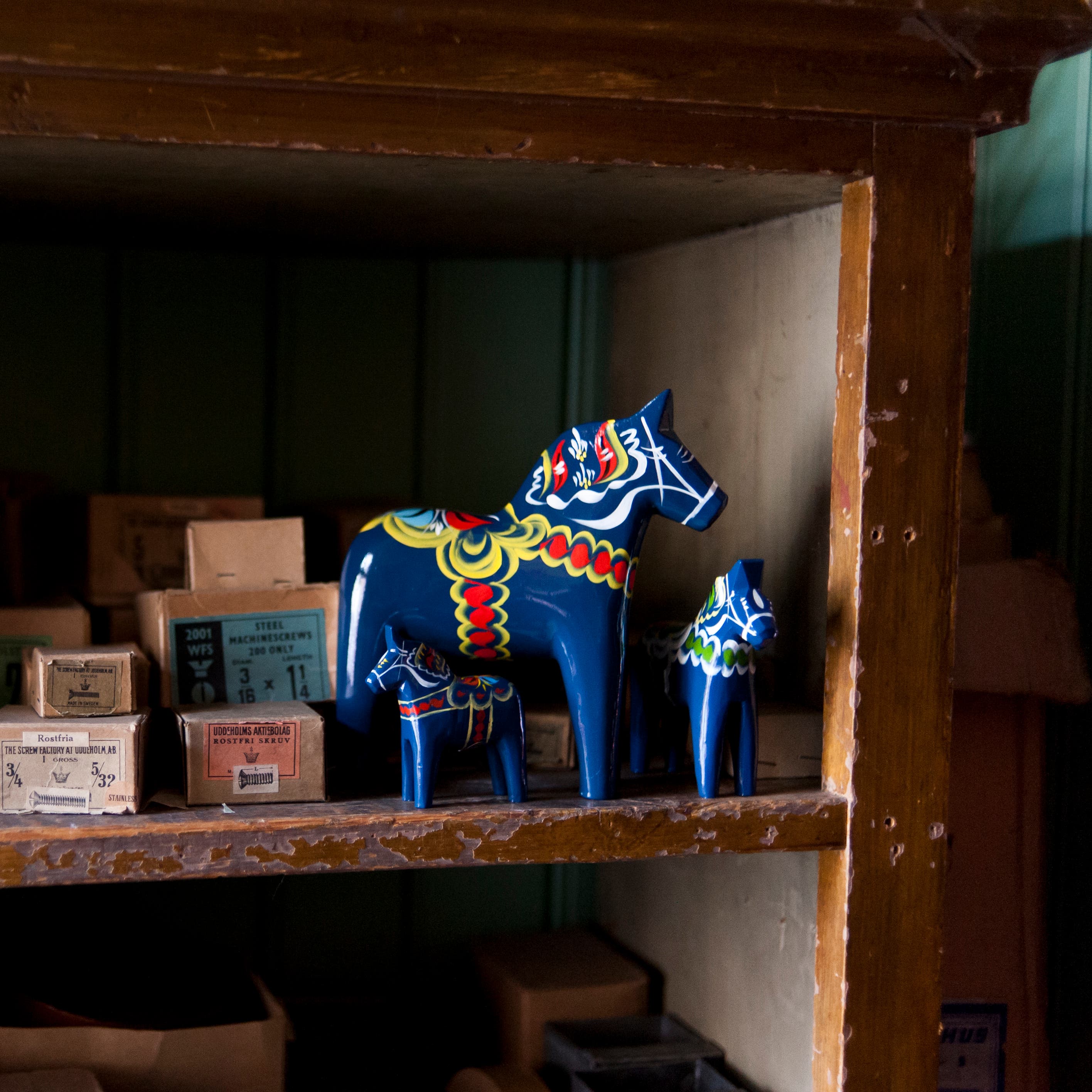
When Dala horses began to be decorated more elaborately during the 19th century, the red colour together with the kurbits painting became a distinctive feature of the Dala horse. Today, Dala horses are produced in many different colours, but the red version remains the most traditional.
The Dala Horse as a Symbol of Sweden
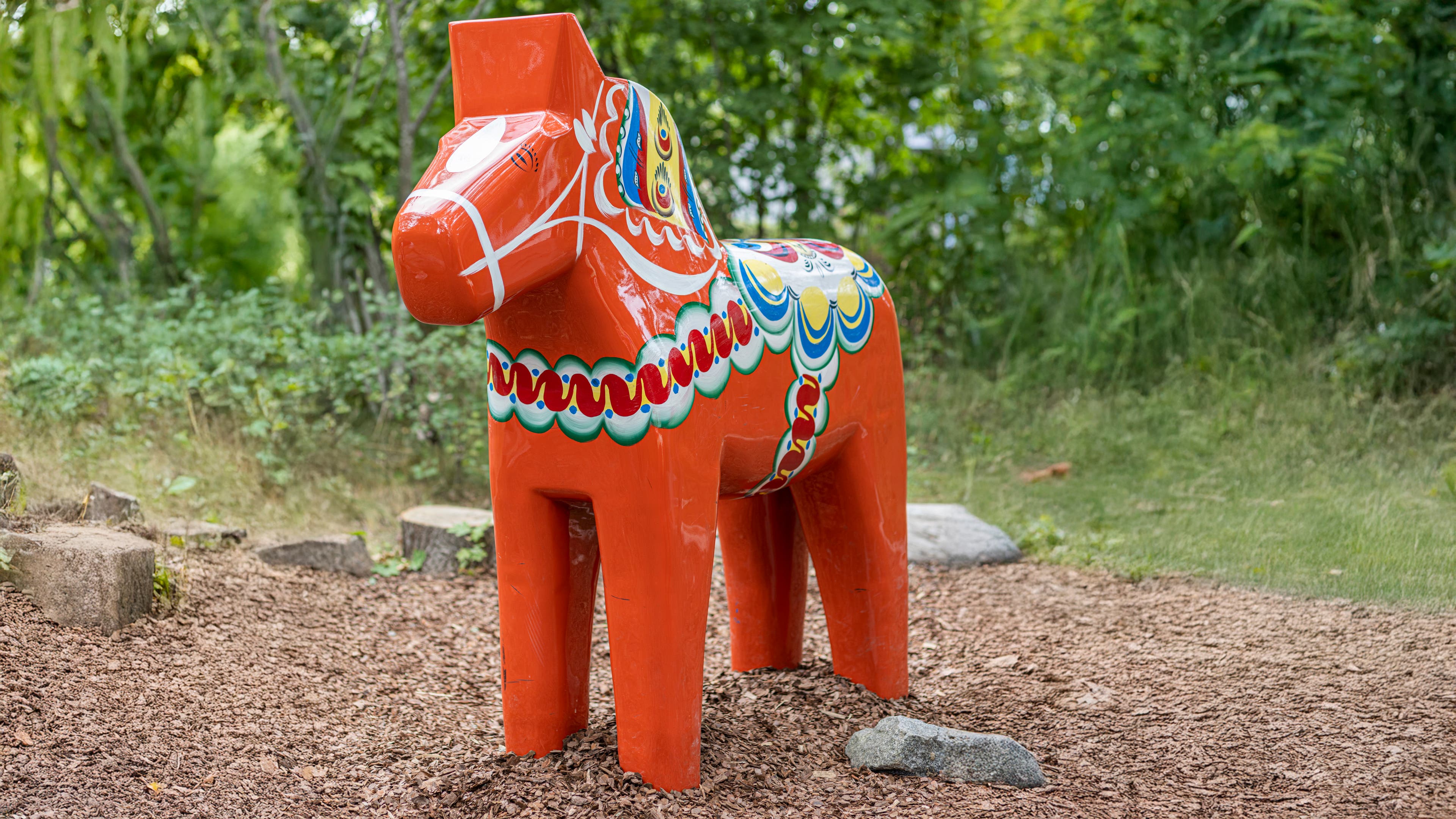
During the 20th century, the Dala horse began to gain attention beyond Sweden. An important moment came at the World’s Fair in New York in 1939, where a large red Dala horse was placed outside the Swedish pavilion. It attracted a great deal of attention and helped make the Dala horse known internationally.
Since then, the Dala horse has become a symbol of Sweden and Swedish culture. It represents traditional craftsmanship, folk art, and a long history of wood carving in the region of Dalarna.
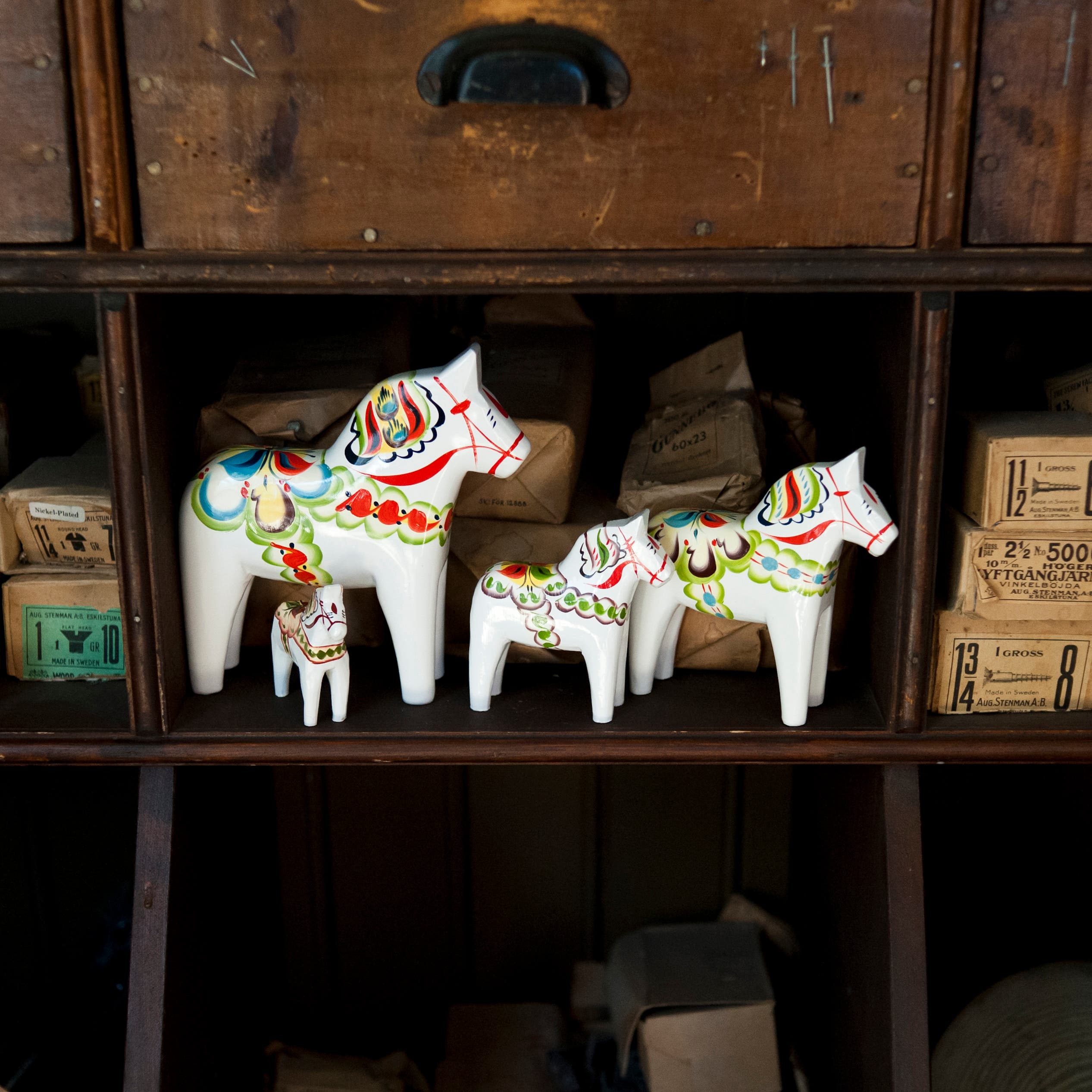
Even today, Dala horses are still made in Dalarna and painted by hand using traditional methods. They are produced in many different sizes, from small miniatures to larger decorative horses often displayed in the home.
At The Skansen Shop, you will find authentic Dala horses from Nusnäs in several sizes and colours.